By Frontline Uganda | November 15, 2026
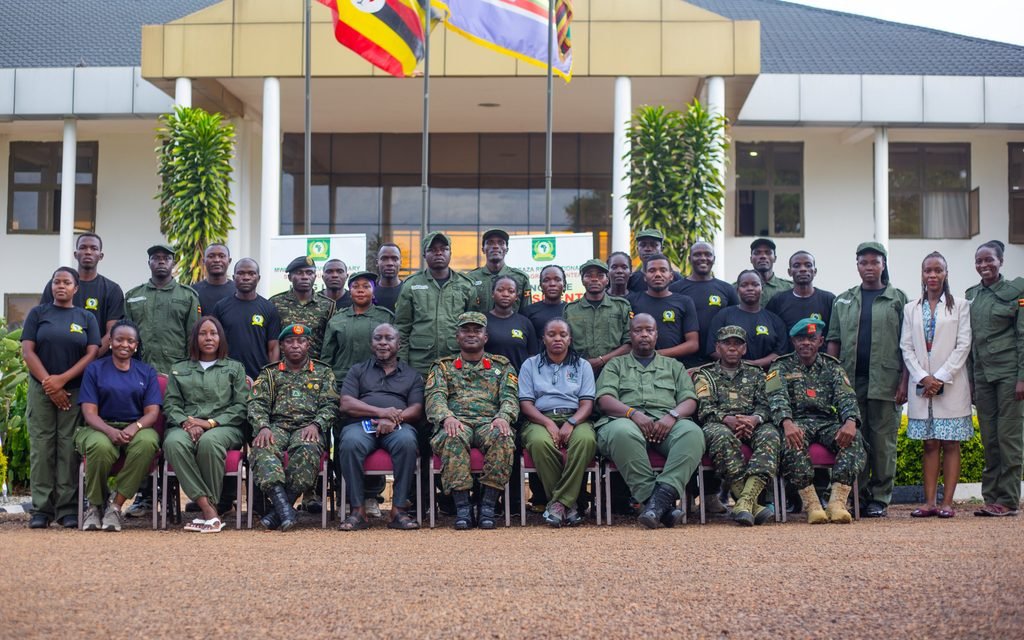
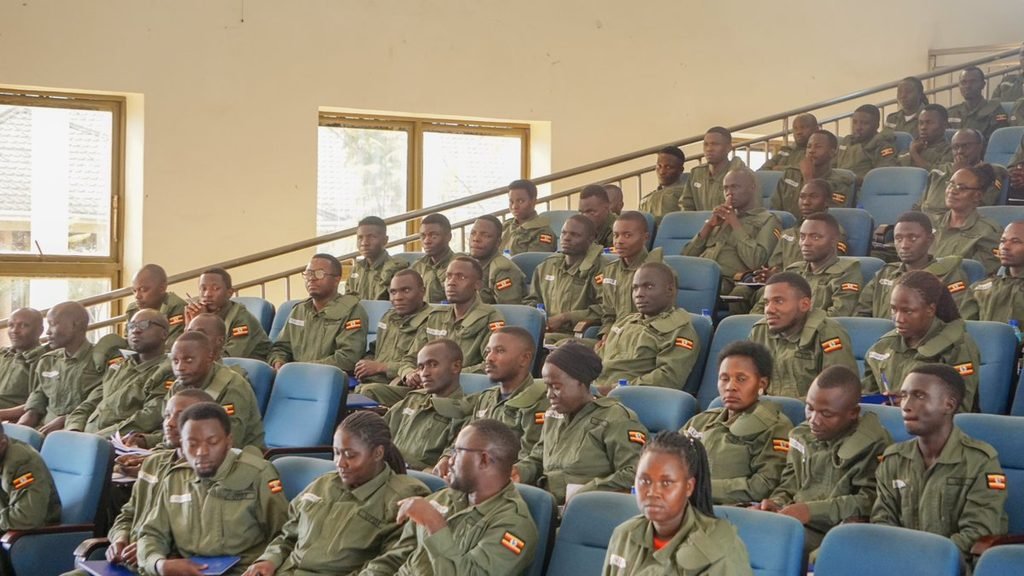
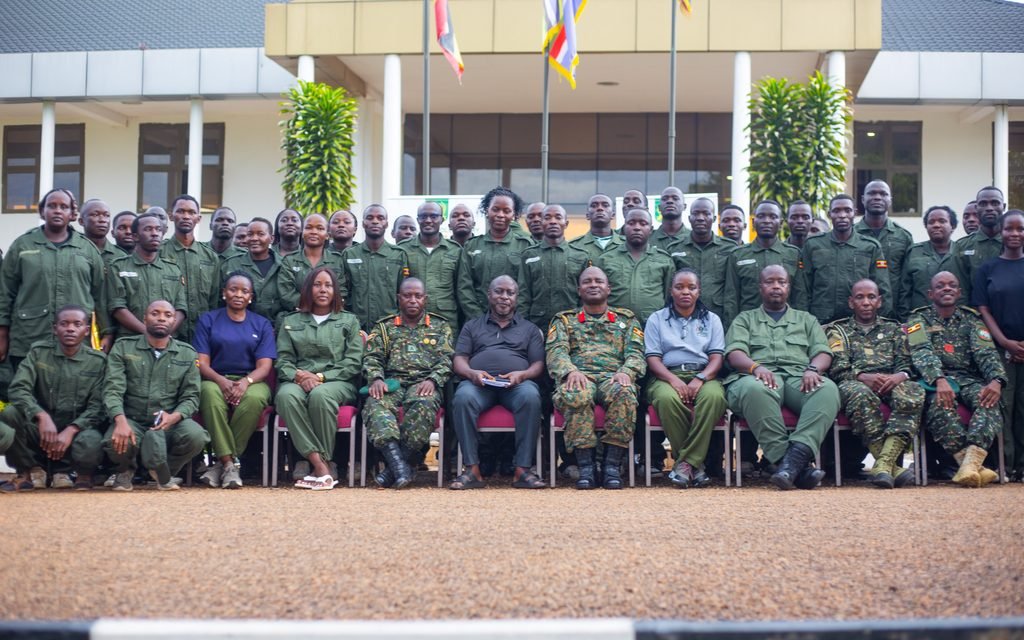
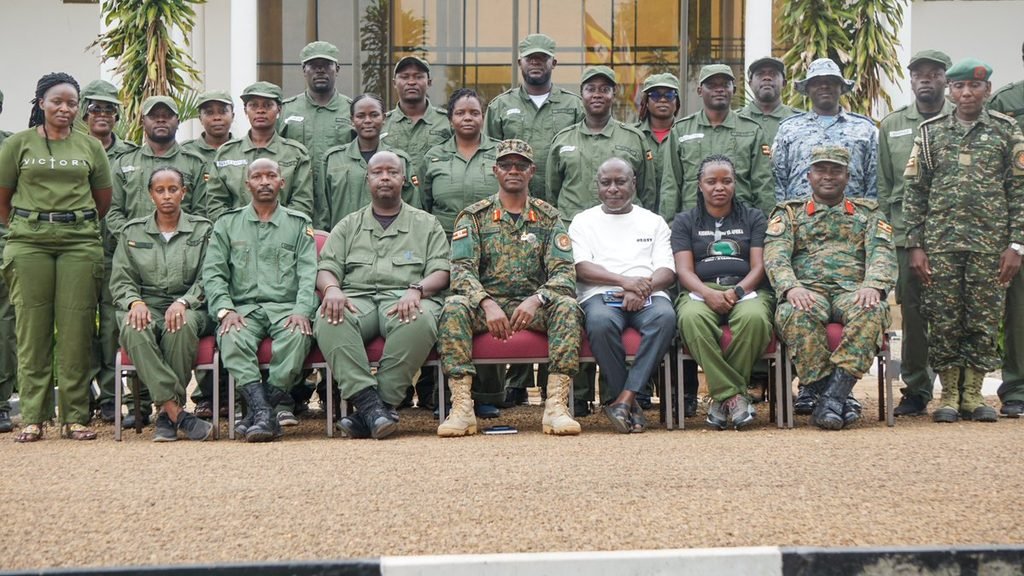
KYANKWANZI, UGANDA – A total of 185 members of the Mwangaza African Revolutionary Study Groups have completed a one-week Transformative and Leadership Development Course at the National Leadership Institute (NALI) in Kyankwanzi, with graduates urged to intensify ideological mobilisation, promote Pan-Africanism and strengthen efforts to advance Uganda’s national interests.
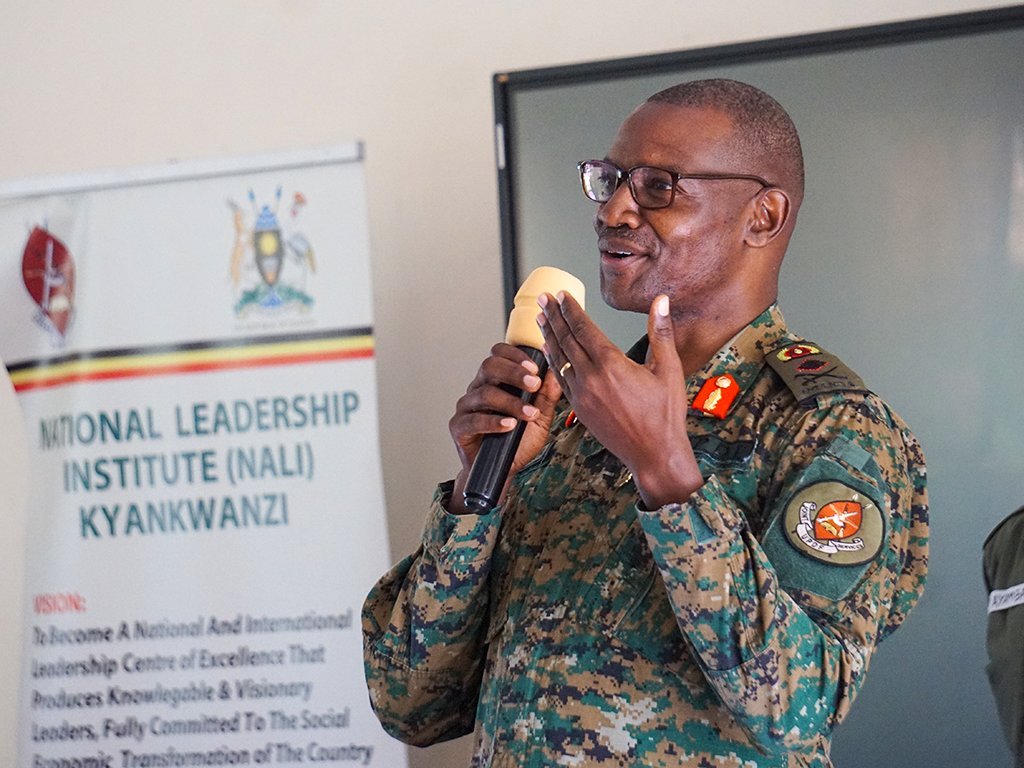
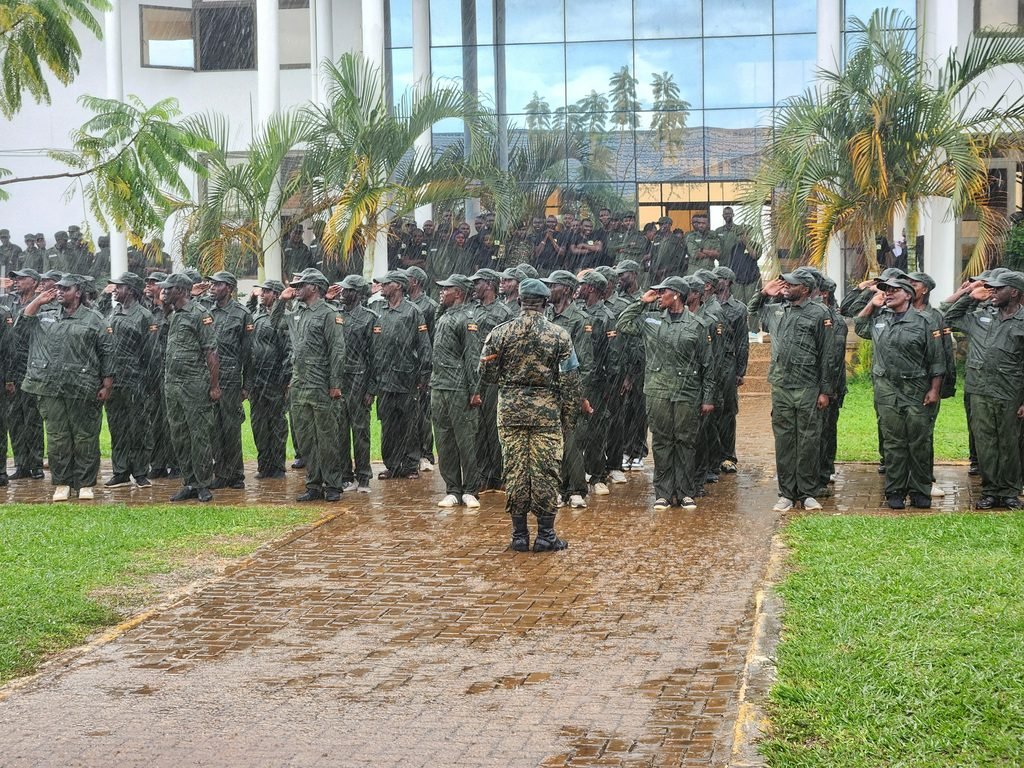
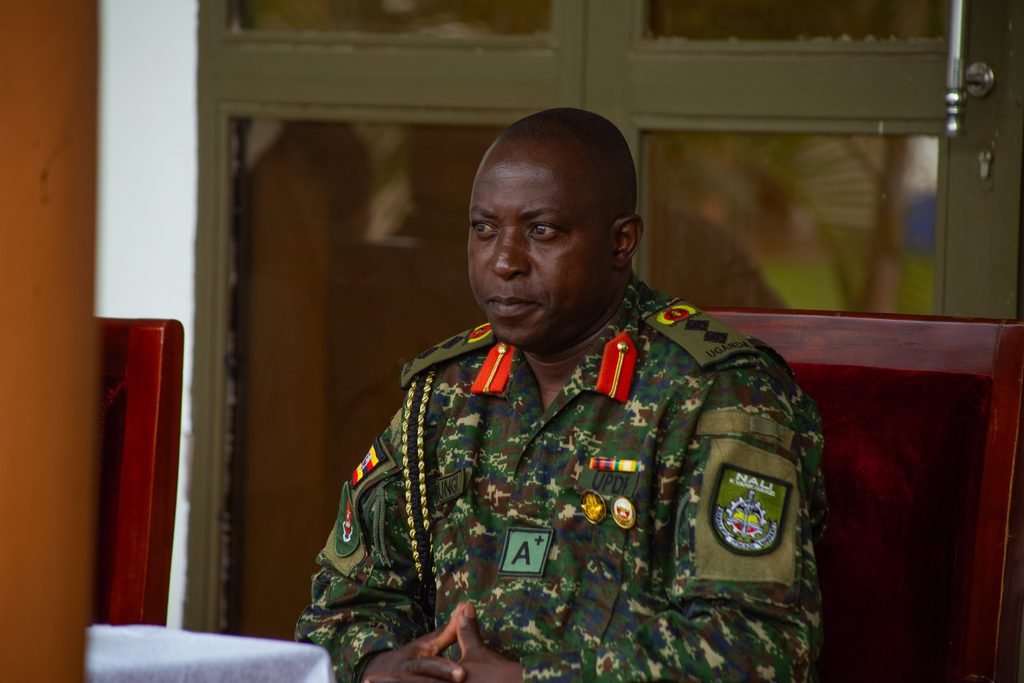
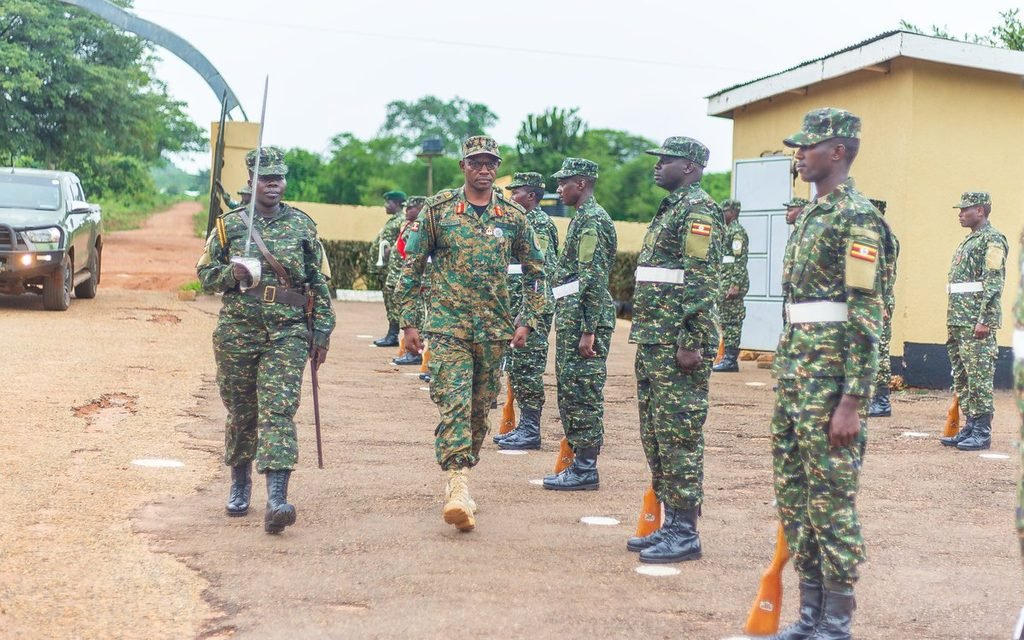
The call was made by NALI Director Col. Okei Rukogota, who presided over the passing-out ceremony on behalf of President Yoweri Museveni on November 14, 2026.
The training was organised by the Special Presidential Advisor (Special Duties) and Mwangaza Study Group Chairman, David Mafabi, with the stated objective of addressing ideological disorientation while strengthening participants’ leadership, discipline and transformative capabilities.
Rukogota challenges cadres to confront ideological differences
Addressing the graduates, Col. Rukogota emphasised that ideological clarity requires active engagement in identifying, challenging and defeating what he described as false or misleading ideologies.
He encouraged the cadres to participate in ongoing discussions among Uganda’s progressive forces, which he said should contribute to a “revolution within a revolution” aimed at advancing Pan-African ideals and addressing foreign economic domination.
Rukogota further argued that Mwangaza members could best advance their objectives by supporting President Museveni, noting that Ugandans had elected him to lead the country.
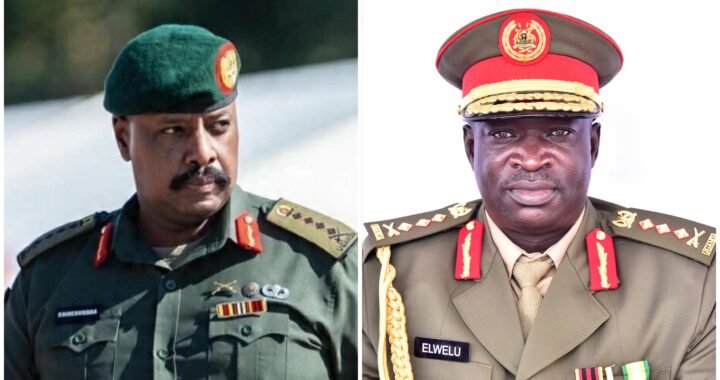
He also called on the participants to emulate and support revolutionary figures, including Chief of Defence Forces Gen. Muhoozi Kainerugaba, whom he commended for his military leadership against what he described as negative forces. Rukogota said such efforts had contributed to peace and stability in Uganda and across Africa.
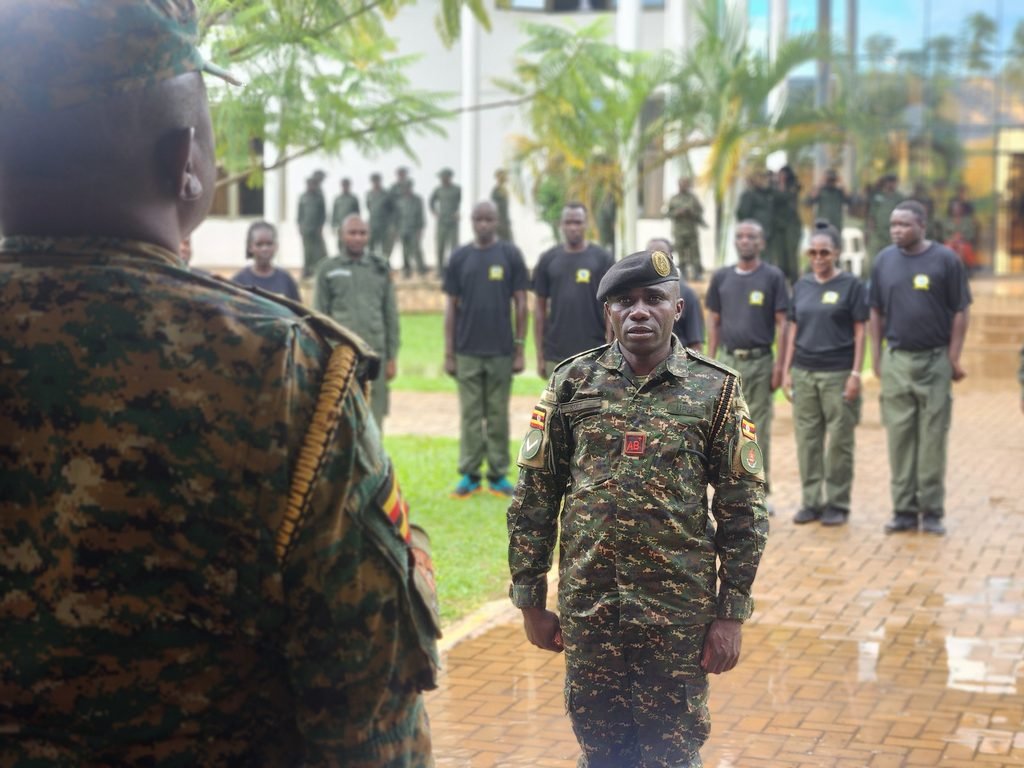
Aheebwa explains four instruments of national power
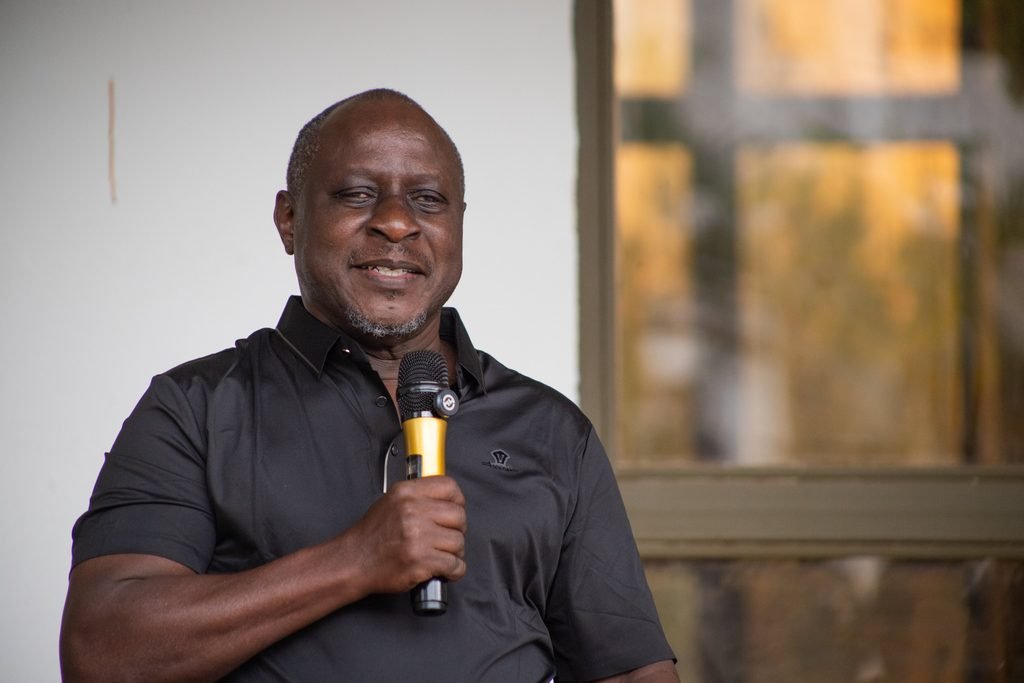
The training also featured a lecture on the Instruments of National Power delivered by Deputy Joint Staff Political Commissar Brig. Gen. Nelson Aheebwa.
Aheebwa introduced participants to the strategic framework through which nations exercise power and advance their national interests, outlining four key instruments: military power, economic power, diplomacy and information.
He explained that military power extends beyond defence operations to include defence diplomacy and peacekeeping, while economic power involves trade, financial strategies and financial institutions.
On diplomacy, he highlighted the importance of formal international engagement and multilateral institutions, including the African Union (AU) and the United Nations (UN).
He particularly emphasised the strategic importance of information in coordinating and strengthening the other instruments of national power.
“Information facilitates the application of all these instruments of power,” Aheebwa told the participants.
He urged the cadres to remain focused on national interests despite inevitable challenges, stressing that ideological alignment and continuous personal development were essential for effective leadership and informed decision-making.
“Stay focused on our national interests; challenges will always be present. We need continuous sharpening to make our decision making more qualitative,” he advised.
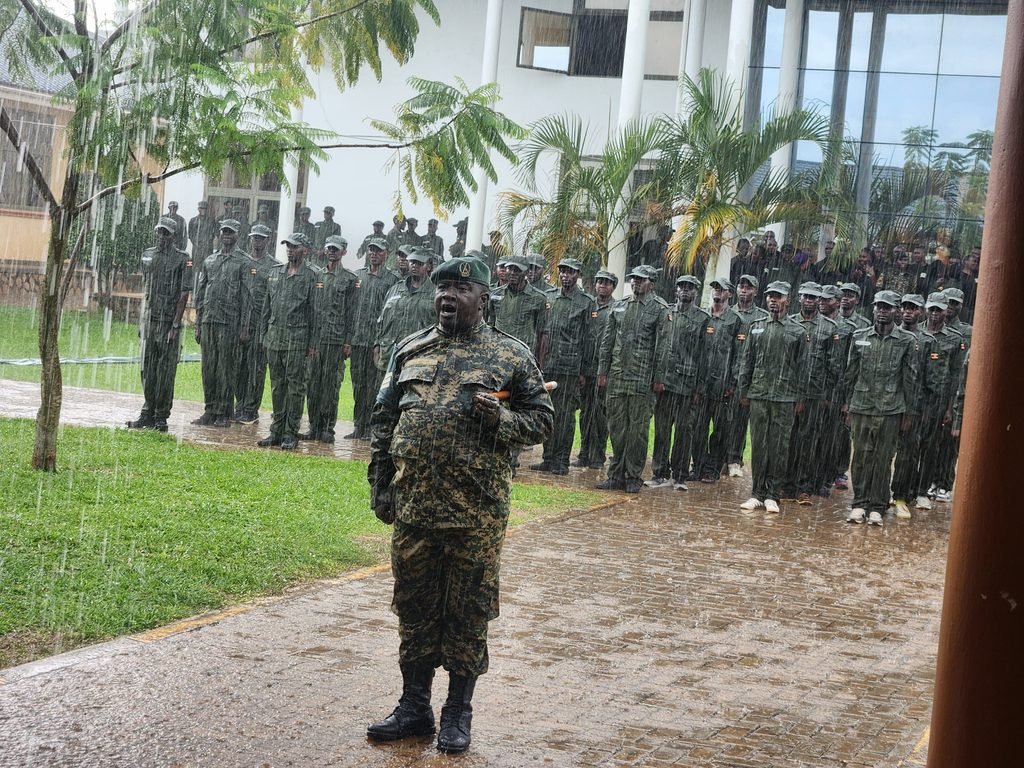
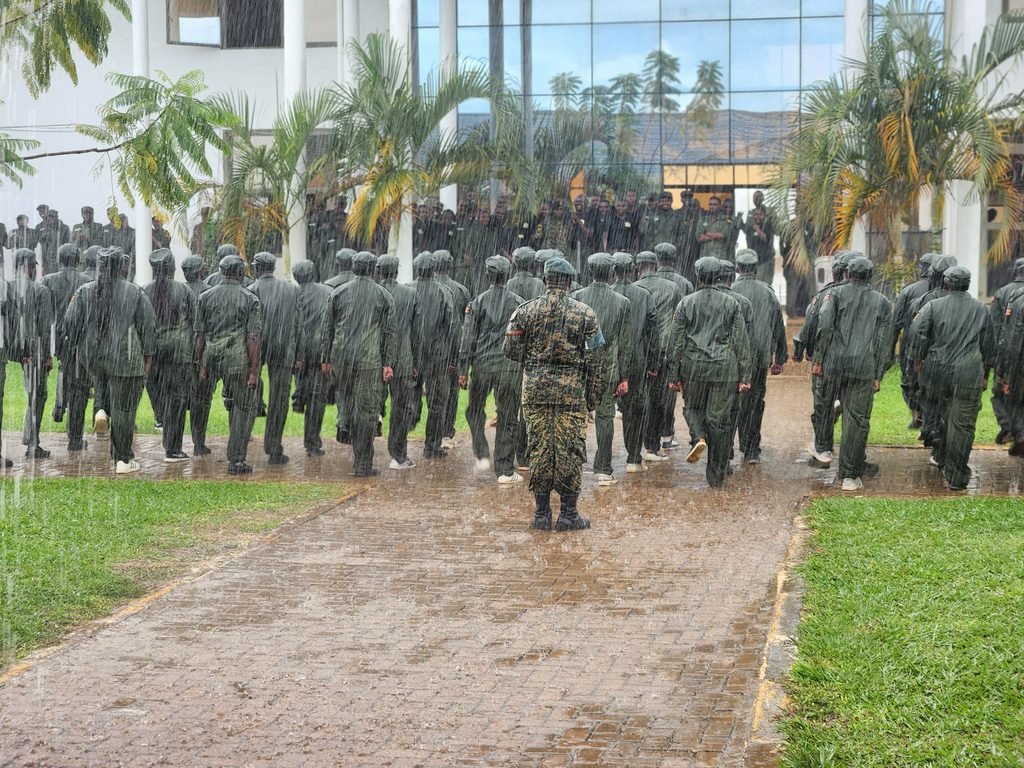
Military drills mark passing-out ceremony
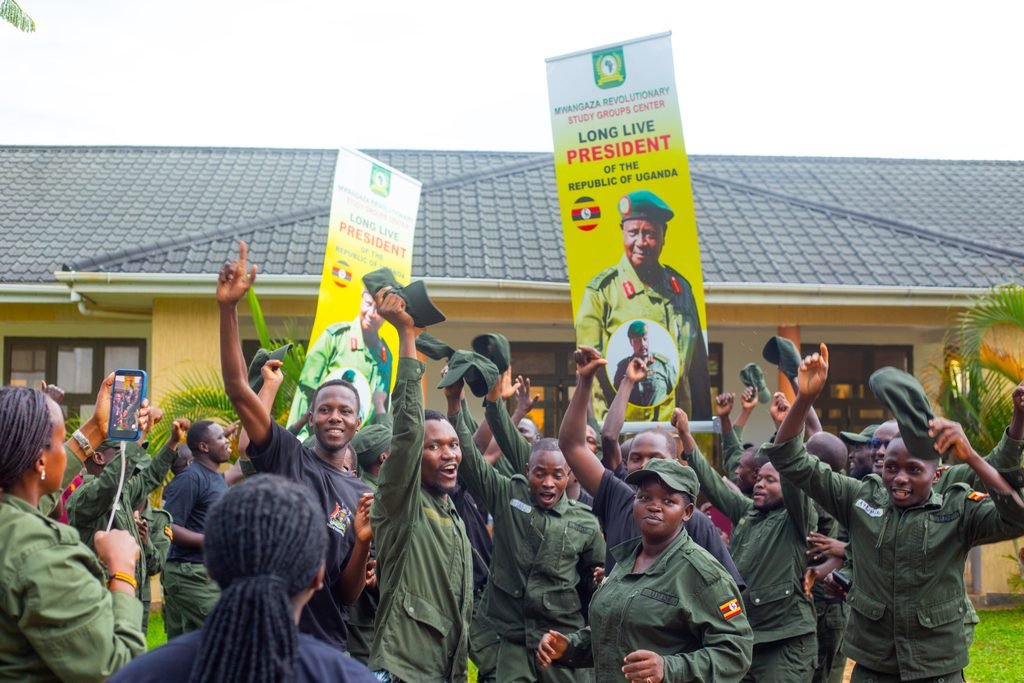
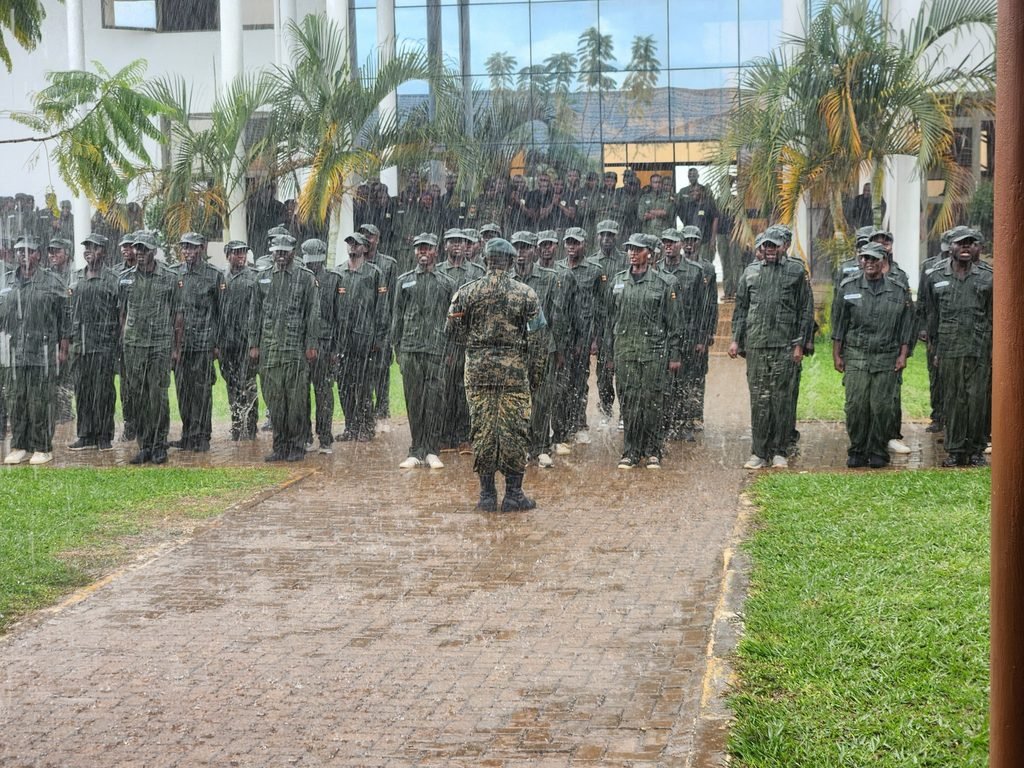
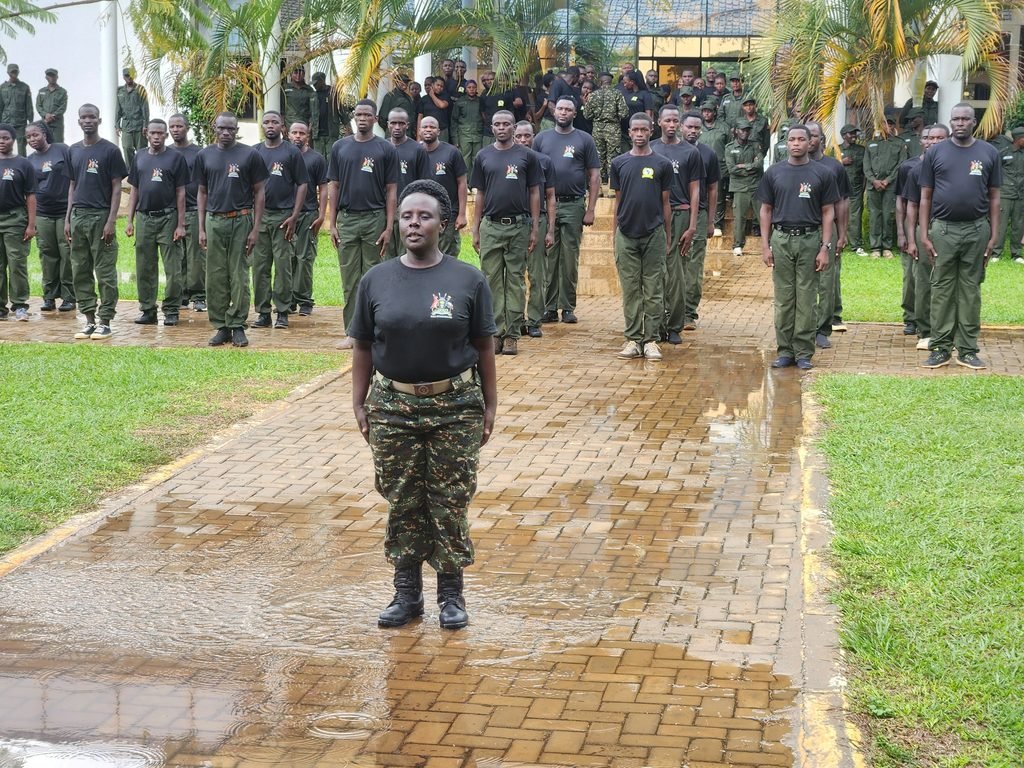
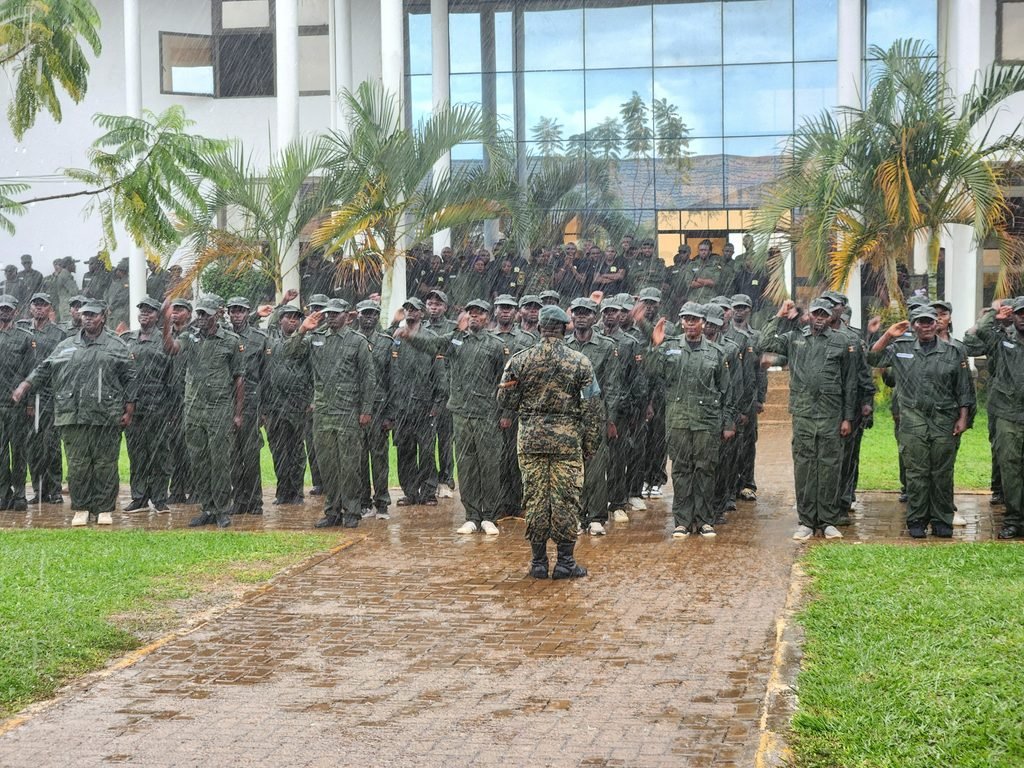
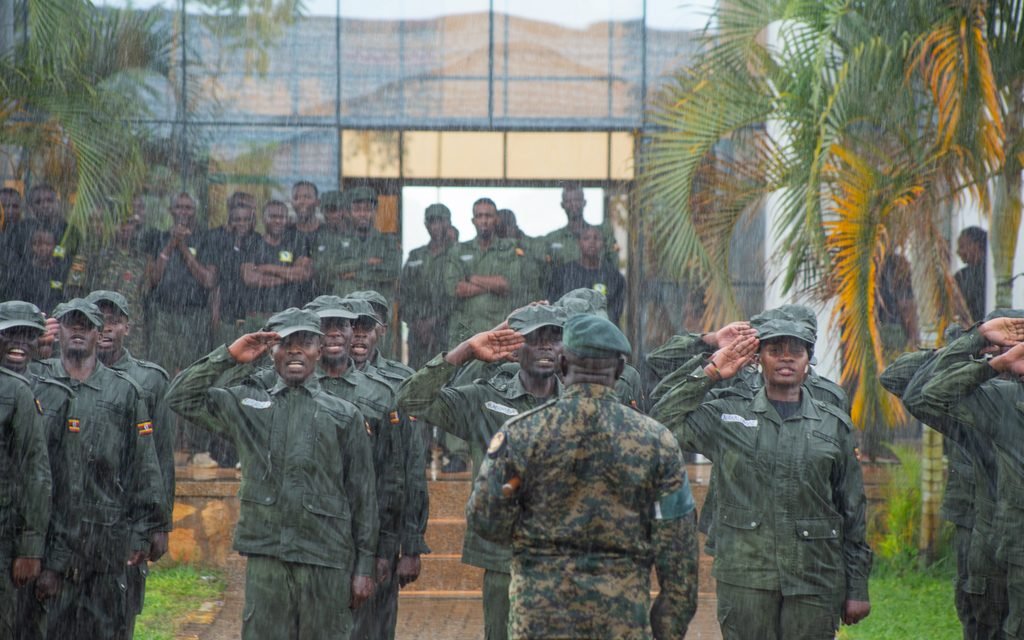
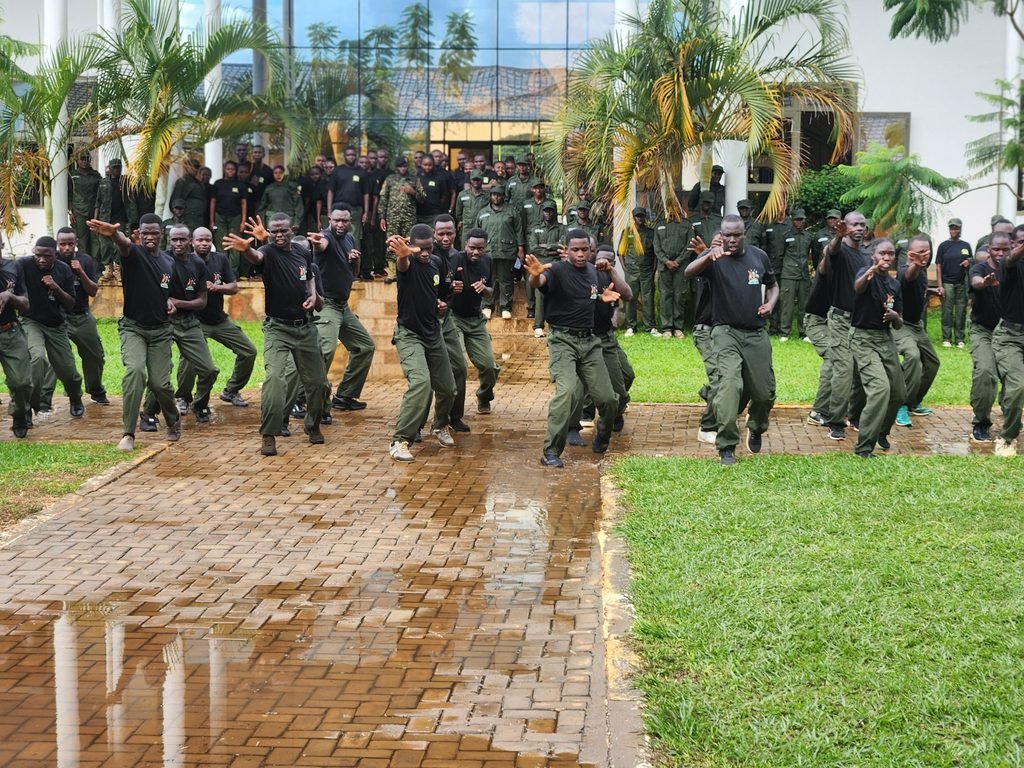
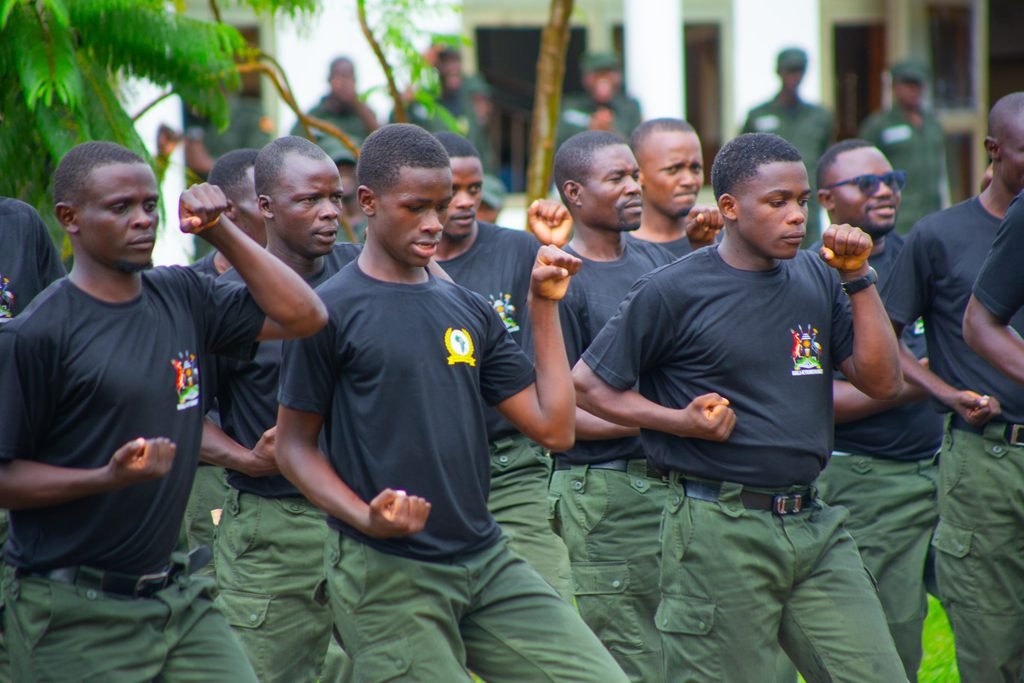
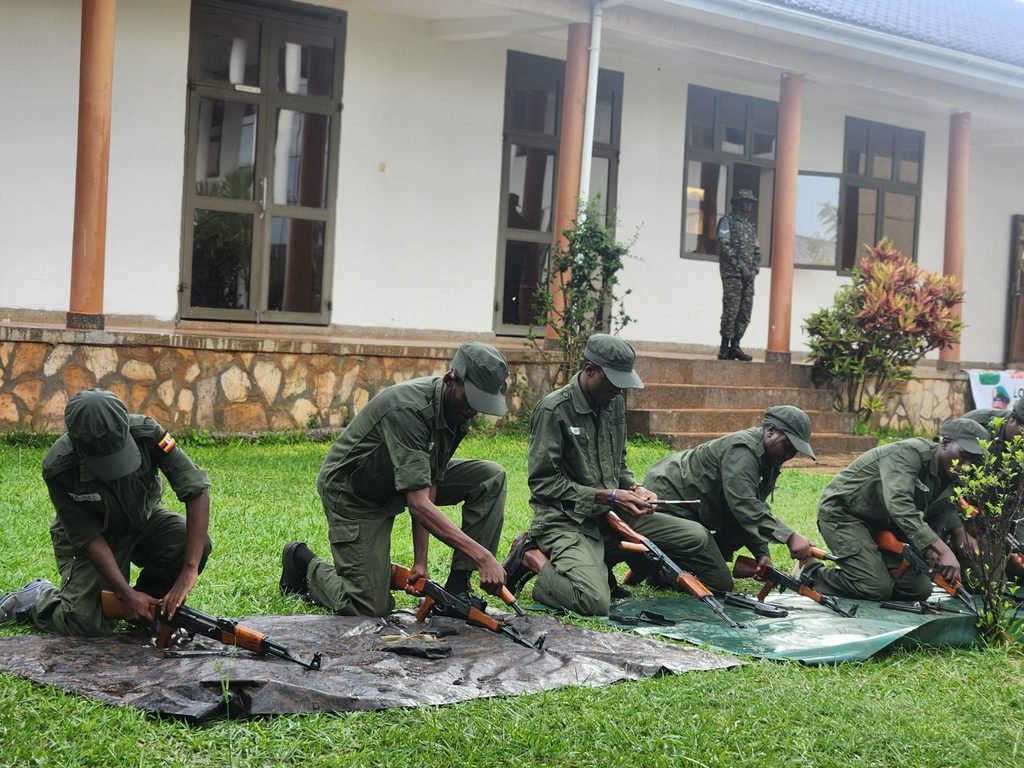
The 185 graduates demonstrated aspects of their newly acquired discipline and endurance through military drill presentations during the ceremony.
The demonstrations formed part of the activities marking the completion of their intensive leadership and transformative development programme.
In his remarks, Col. Rukogota also underscored the importance of generational continuity, warning that revolutionary movements must deliberately prepare disciplined successors if their ideological objectives are to endure.
“A revolution has no right to exist if it will not succeed and continue,” he said.
“This revolution is here to stay and continue, and it can only continue if it has contingents like Mwangaza.”
His remarks placed particular emphasis on building a generation capable of sustaining the movement’s stated ideological principles and leadership objectives.

Graduates expected to mobilise communities
Following their graduation, the 185 cadres are expected to return to their respective communities to mobilise citizens, promote patriotism, support socio-economic transformation and advance the group’s Pan-African ideals.
In a message accompanying the November 14 passing-out ceremony, Mwangaza African Revolutionary Study Groups described ideological education as an important component of national sovereignty, unity and transformation.
“As we defend the nation through ideology, we strengthen the minds, deepen our understanding of our national mission and cultivate the discipline, unity and conviction required to safeguard our country’s future,” the group stated.
It further declared: “The rain may fall, but the mission must go on.”
The group maintained that an educated, ideologically grounded and disciplined generation remains an enduring pillar of national sovereignty and transformation.
The Kyankwanzi training and graduation mark another effort by the Mwangaza African Revolutionary Study Groups to develop a network of ideologically oriented cadres expected to contribute to political mobilisation, leadership development and national transformation.